Parent guide
How to teach mindfulness to a 7-year-old (without a lecture)
Updated 23 August 2026
Mindfulness for a seven-year-old is not a 20-minute meditation. It is noticing what is happening right now: breath, body, or mood. Short, repeatable, and usually more fun with you beside them.
You do not need to use an app. An app can give you pictures and a shared language when you do.
Start with the body, not the concept
Skip the word "mindfulness" at first if it makes them roll their eyes. Try "let's do a belly breath" or "name three things you can see." The skill is attention, not vocabulary.
Sixty to ninety seconds is enough. Daily beats long.
Three practices that work at this age
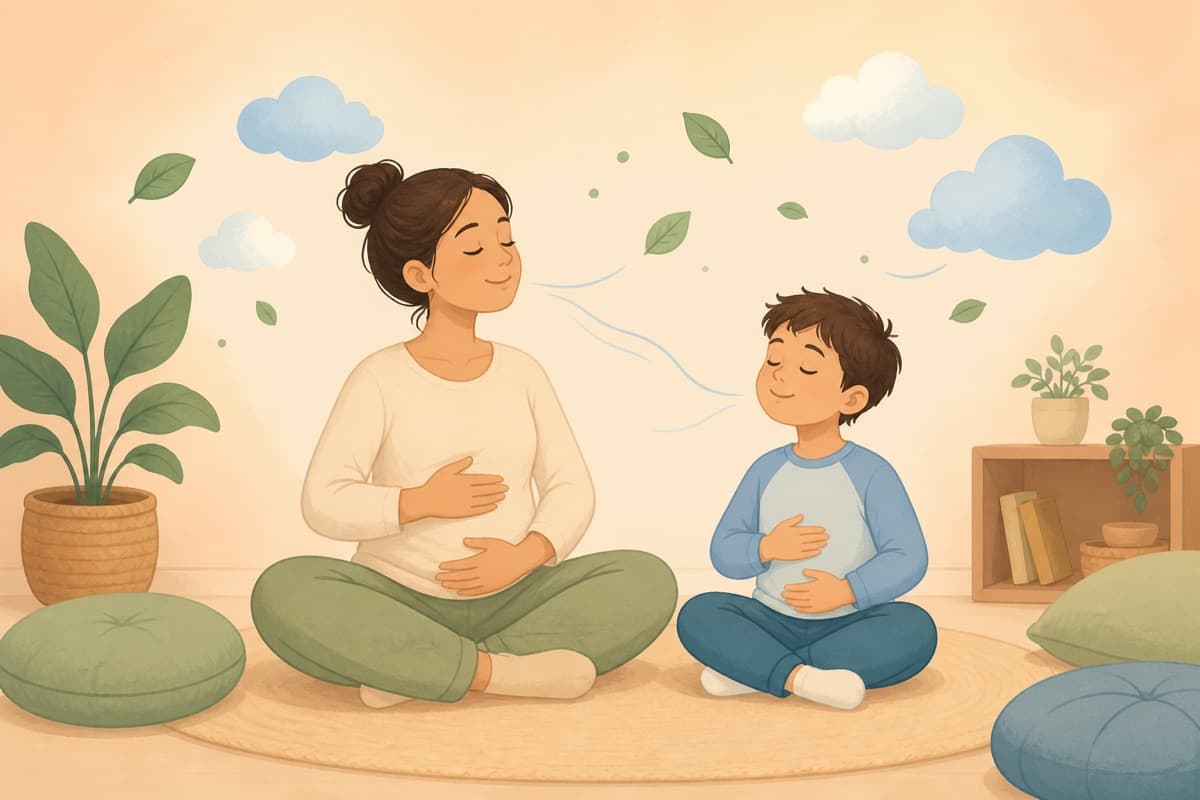
Belly breathing: hand on tummy, rise on in-breath, fall on out-breath. Smell the flower, blow the bubble if counting is too much.
Mood check-in: one tap on a face (happy, okay, worried) after school. You are building a habit of naming, not analysing.
Five-sense grounding: five things you see, four you touch. Works in the car or before a test.
- Practise when calm, not only when upset
- Do it with them the first ten times
- Let them pick the tool (breathing vs grounding)
Where an app helps (and where you matter more)
Visual breathing (a circle that grows and shrinks) lands better than audio alone for a lot of anxious kids. CalmBud's mood-first home matches how seven-year-olds actually choose tools.
You still model it. If you scroll while telling them to breathe, it won't stick. Two minutes together beats a perfect app session they do alone once.
When to get extra help
CalmBud is a wellbeing tool, not therapy or medical care. If your child has ongoing anxiety, panic or sleep problems, talk to your GP or a clinician.
Common questions
How long should a 7-year-old practise mindfulness?
One to two minutes most days. Longer sessions often backfire at this age.
What if they say it's boring?
Make it physical (stuffed animal on the belly) or let them tap a mood face instead of sitting still. Boring usually means too long or too abstract.
Keep reading
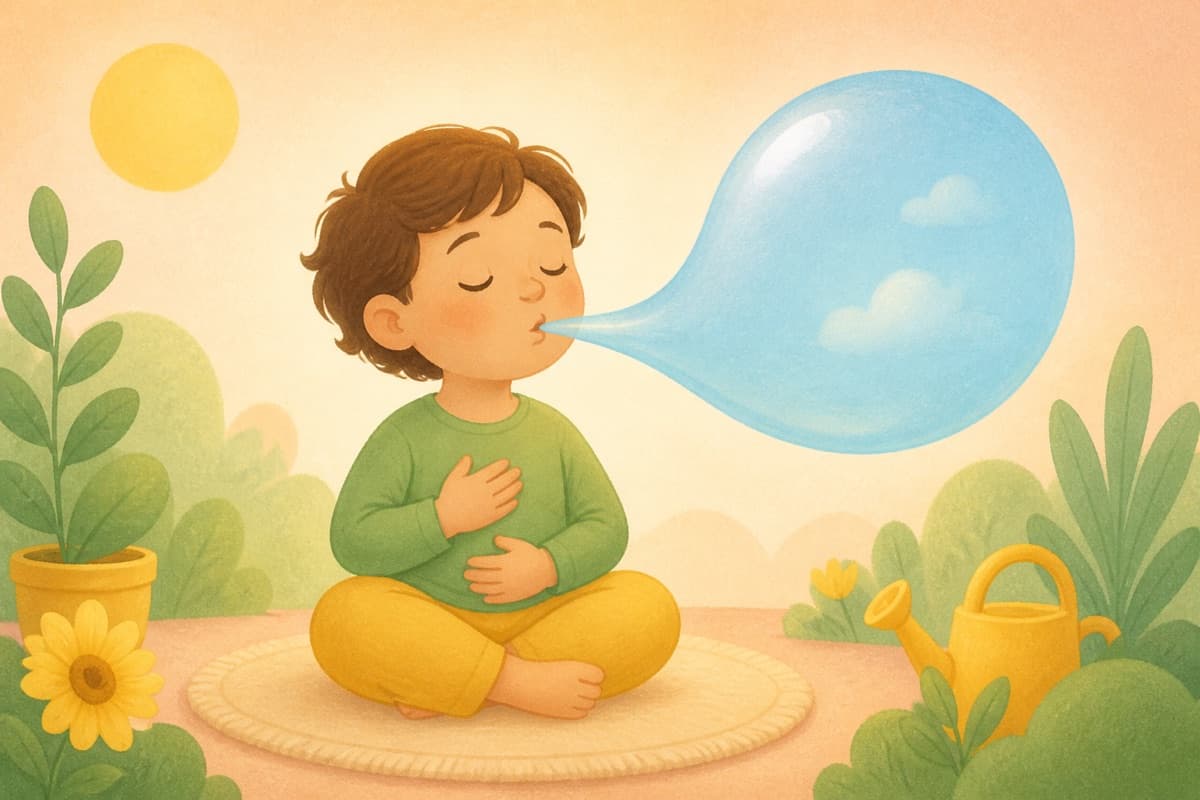
Breathing exercises for kids with anxiety
Simple breathing exercises that help anxious kids calm down, including belly breathing, longer exhales, and how to practise when they are not already upset.
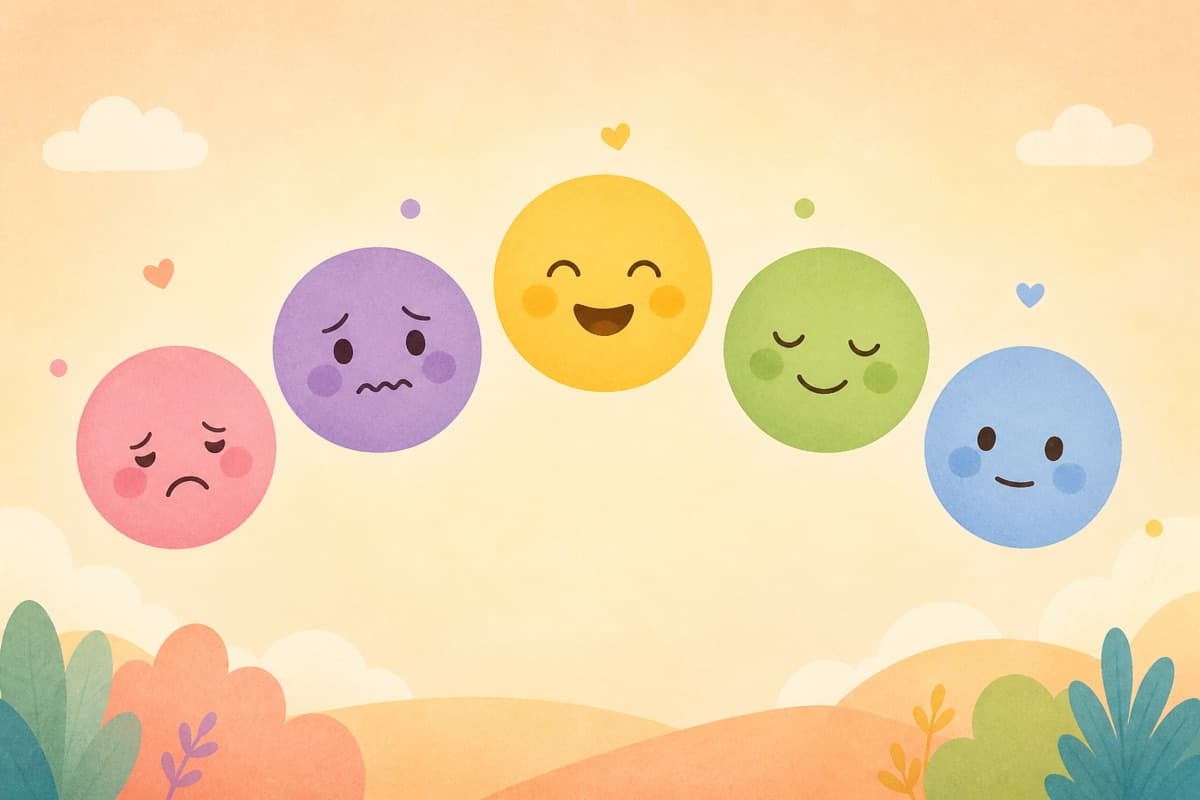
Emotional regulation for kids: skills that actually stick
What emotional regulation actually means for kids aged 6 to 13, the skills worth practising at home, and how a mindfulness app can help without replacing you.