Parent guide
Emotional regulation for kids: skills that actually stick
Updated 23 August 2026
Emotional regulation is noticing a feeling, not making the situation worse, and then picking a next step. Kids aren't born with it. They borrow yours first, then slowly build their own.
For school-age kids that usually looks like naming moods, catching unhelpful thoughts, and having two or three body tools. CalmBud was built around those three. It isn't an hour-long meditation app.
Name it before you try to fix it
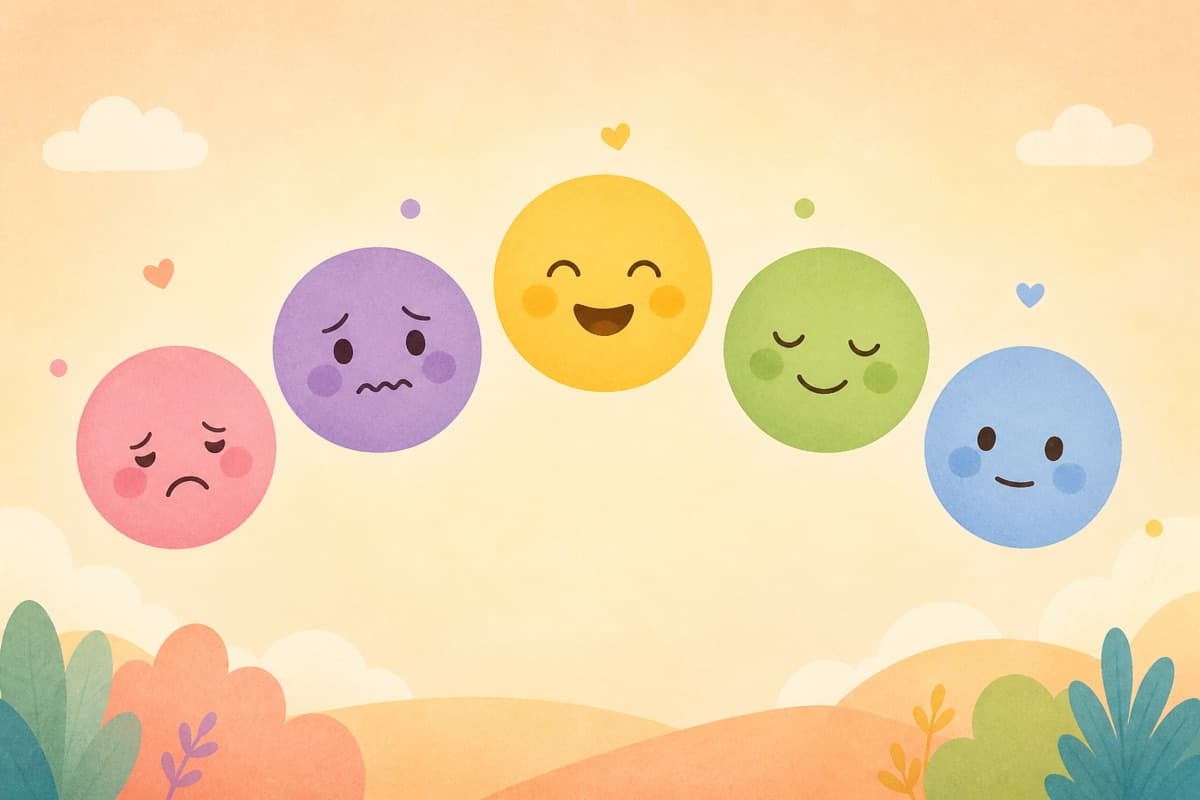
Kids who can say "I'm worried" or "I'm angry" usually come down faster than kids who only feel a blob of awful. A daily feelings check-in, even a 10-second tap on a face, trains that vocabulary.
Keep the list small at first: happy, calm, okay, sad, worried. Too many options starts to feel like a test.
Catch the thought. Don't argue with it.
Anxious kids often run a story: "Everyone will laugh", "I'm going to fail", "Mum is late so something bad happened." Thought catching (that's the CBT idea) is noticing the story and trying a fairer one. It's not telling them they're fine.
CalmBud's Thought Detective turns that into a game of catching "worry bugs", so it doesn't feel like homework. You can do the same at the table: "What's the worry saying? What else might be true?"
It's a habit, not a rescue app
The kids who can use a tool in a crisis are the ones who used it when nothing was wrong. A streak, a sticker, or a two-minute check-in after school beats a perfect technique they've never practised.
You still do the heavy lifting: sleep, food, boring routines, and not matching their volume. An app is somewhere to rehearse, and a shared language. It isn't a stand-in adult.
When to get extra help
CalmBud is a wellbeing tool, not therapy or medical care. If your child has ongoing anxiety, panic or sleep problems, talk to your GP or a clinician.
Get professional help if anxiety is shrinking their world. Avoiding school, not sleeping for weeks, panic that doesn't settle, or talk of hopelessness. Tools like CalmBud can sit alongside therapy. They shouldn't delay it.
Common questions
Is emotional regulation the same as mindfulness?
Mindfulness is one way in (noticing what's happening now). Regulation is the wider skill: notice, then choose a response. Breathing and grounding are mindfulness tools you use to regulate.
How often should we practise?
A daily check-in and one short exercise is enough for most families, plus using a tool when feelings spike. Showing up regularly matters more than doing it for ages.
Keep reading
Breathing exercises for kids with anxiety
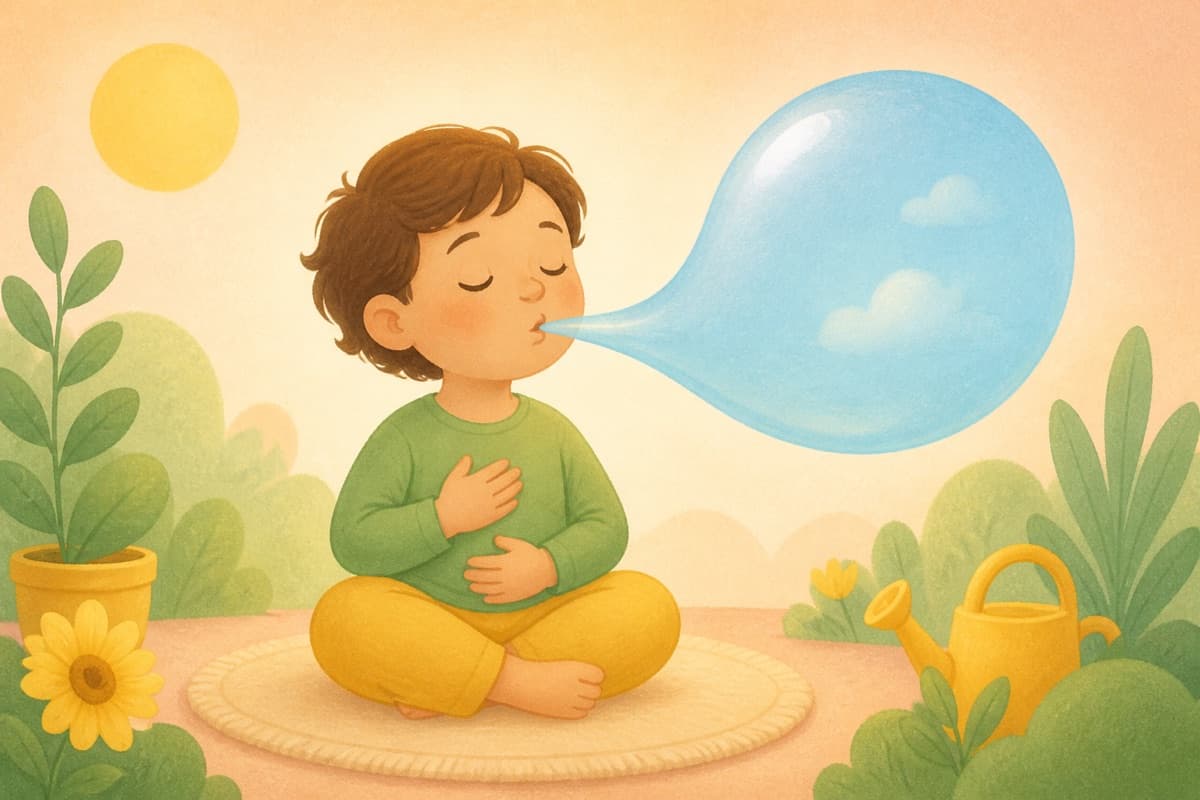
Simple breathing exercises that help anxious kids calm down, including belly breathing, longer exhales, and how to practise when they are not already upset.

How to help a child with worry thoughts (without arguing)
CBT-style thought catching for kids: naming worry stories, trying fairer alternatives, and when Thought Detective-style games help more than reassurance.
Grounding exercises for kids when worry takes over
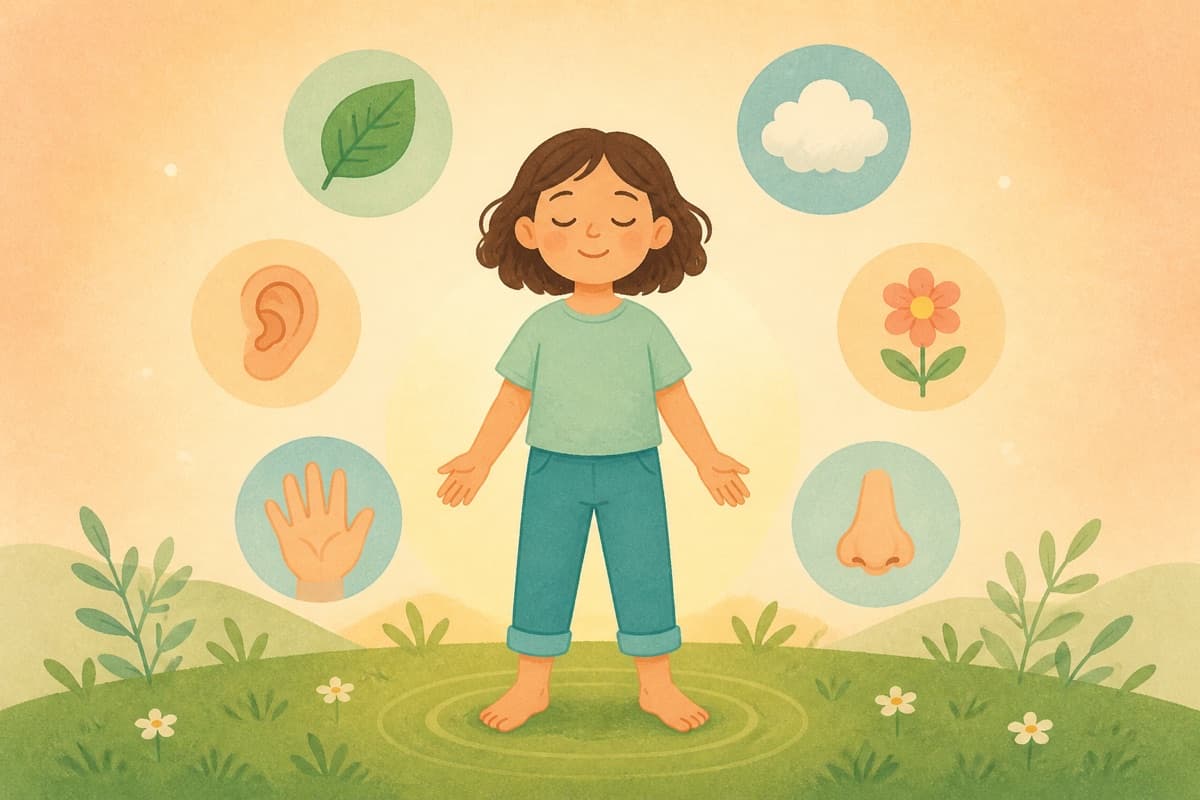
Simple grounding techniques for anxious kids: 5-4-3-2-1 senses, feet on the floor, and when to use grounding instead of breathing.