Parent guide
How to help a child calm down from big feelings

Updated 23 August 2026
Big feelings in kids aged 6 to 13 can look like slammed doors, crying that won't stop, or a child who goes quiet and frozen. In that moment they don't need a lecture. They need help getting their body to stand down so they can think again.
Treat this as an order of operations, not a script. If one step is enough, stop there.
First: make it smaller
Fewer people, less noise, fewer choices. Move to a quieter room if you can. Get down to their eye level. Keep sentences short: "I'm here. You're safe. We can do this slowly."
Don't ask them to explain why they're upset yet. That comes later. Asking "what's wrong?" while they're flooded often makes it worse.
- Drop your own voice even if you don't feel calm
- Offer water or a sit-down before you try to solve anything
- If they want space, stay nearby. Don't leave them alone with panic
Second: give the body a job
When a kid is flooded, a pep talk doesn't land. They need something physical. Five things they can see, a cold drink, pushing hands into a wall, or a short breathing visual all count.
In CalmBud that's the "I need a moment" button: one tap into breathing or grounding, no hunting through menus. A calm-down corner at home can work the same way. One cushion, one breathing card, one familiar object. Too many toys and it becomes a play area.
Third: name the feeling, then one next step
Once breathing has slowed, try a name: "That looked like worry" or "That looked like anger." Let them correct you. You're not testing them. You're giving the feeling a handle.
Then one next step, not five. A snack, a walk, or going back to the original thing in a smaller piece. Save the proper chat for later the same day, when everyone has eaten and the shame has cooled off.
What not to do in the moment
Don't bargain ("if you stop crying you can have iPad"). Don't be sarcastic. Don't film them to show them later. Shame keeps the body in threat mode.
CalmBud is a wellbeing tool, not therapy or medical care. If your child has ongoing anxiety, panic or sleep problems, talk to your GP or a clinician.
Common questions
Should I use an app while my child is melting down?
Only if they'll still look at a screen. A lot of kids won't. Practise the in-app tools when they're settled, and keep a no-screen version for the peak of a storm.
Is a calm-down corner a timeout?
No. Timeout is a consequence. A calm-down corner is a place they can choose (or be invited to) so they can reset and come back. If you use it as exile, it stops working.
Keep reading

Breathing exercises for kids with anxiety
Simple breathing exercises that help anxious kids calm down, including belly breathing, longer exhales, and how to practise when they are not already upset.
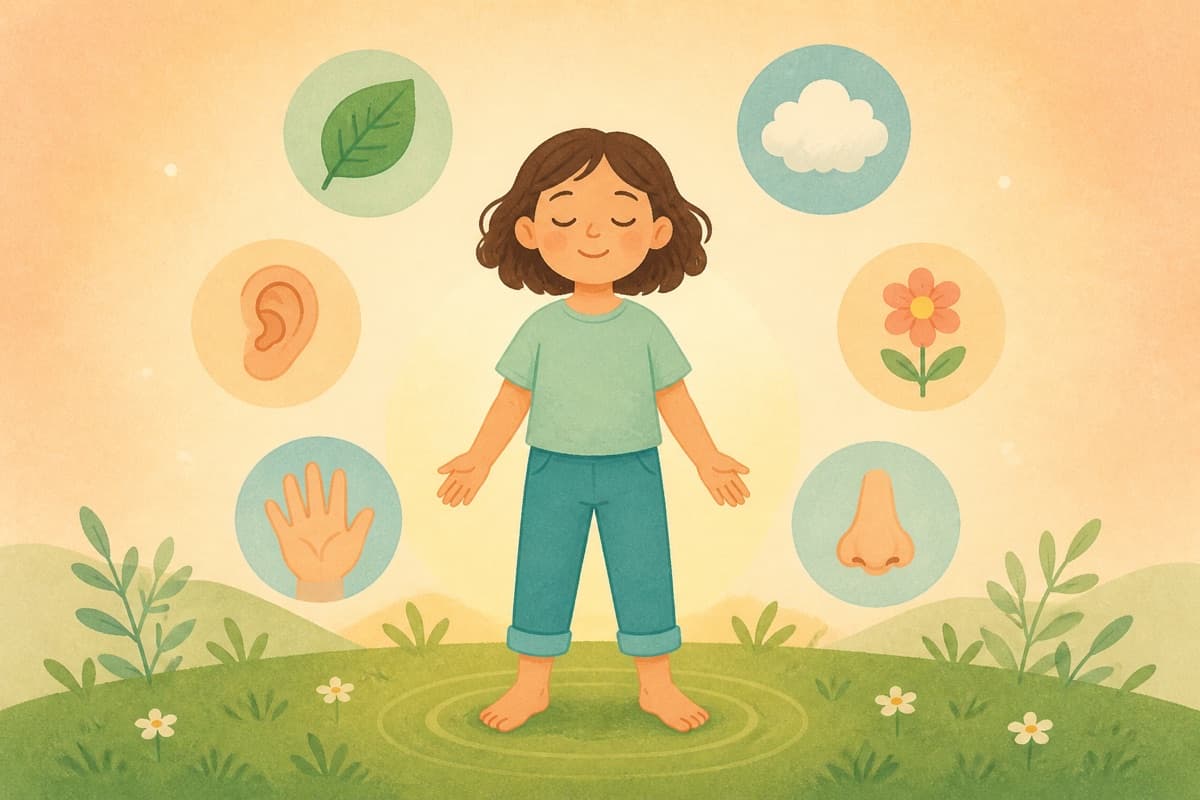
Grounding exercises for kids when worry takes over
Simple grounding techniques for anxious kids: 5-4-3-2-1 senses, feet on the floor, and when to use grounding instead of breathing.